Writing Captivating Melodies
In some ways, melody is a very enigmatic thing. It’s hard to describe an amazing melody, but you know it when you hear it. Overthinking can kill it, and yet simplicity can be deceiving.
And while songwriters and producers need to think about what role melody plays in a song, composition, or beat, or how a melody creates tension, resolves it, and aligns with a lyric thematically, each and every artist approaches writing them differently. Below are 5 course lessons exploring that myriad of possibilities.
But these links are only accessible with an active Soundfly subscription.
So make sure to subscribe to level up your toolkit, and gain access to everything else Soundfly has to offer. Here are our favorite 5 Lessons On… Melody Writing. Enjoy!

Kimbra: “Think of melody like water and just paint with it.”
Kimbra’s course is a tour-de-force of strategies and techniques for lyric and melody writing, and how vocalists can employ these techniques to wildly creative ends. In this lesson, she shows us how to improvise with gibberish lyrics and develop melodies from made-up sounds.

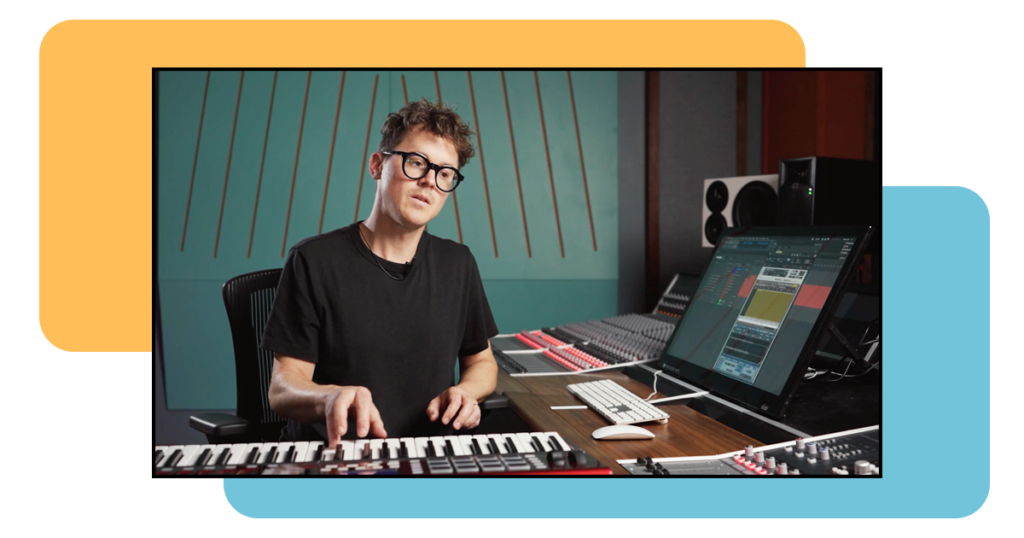
Ryan Lott: “Activated textures that layer on top of one another.”
Since Ryan Lott builds almost every element of his songs from custom samples, it’s only natural to treat them as such. For him, melody writing is just another way to layer and manipulate tonal fragments; thinking of notes as “layers” opens up a world of possibility!

Kiefer: “When I lock my melody in first, my harmony tends to be pretty interesting.”
Referring to a melodic line as a bunch of “hills and valleys,” this lesson by Kiefer explores how starting with a melodic line can expand the limits of rhythmic and harmonic thinking; the idea that a melody is a landscape we can walk through any which way you want.
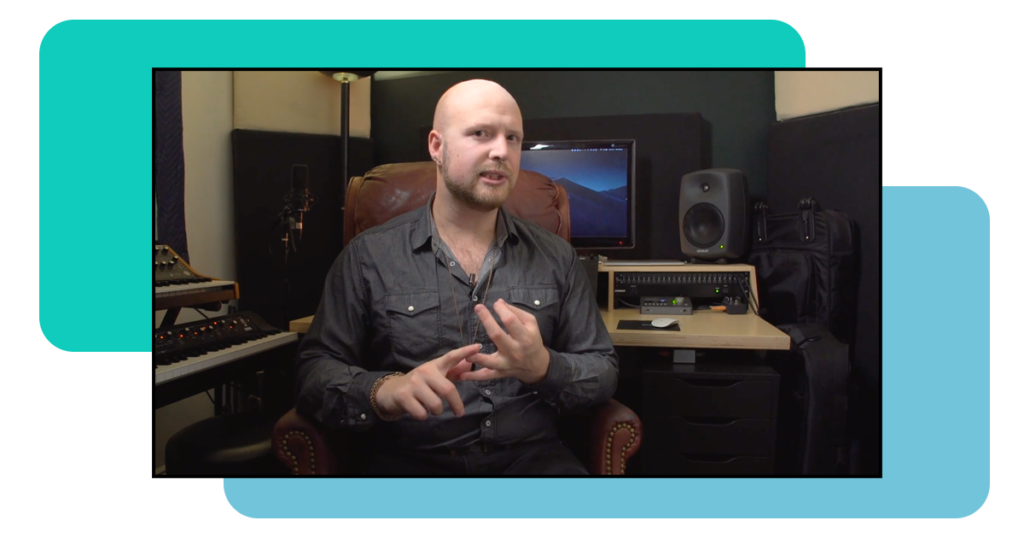
Will Marshall: “Think of your melodic phrases as conversations.”
In Will Marshall’s course, Songwriting For Producers, he analyses several different ways to approach pairing a melody with a chord progression, lyrics, and beats. In this lesson, he challenges us to define the “shape of our melody,” and how it fits into our song’s puzzle.

Mahea Lee: “Melody transcends lyrics in that music is universal, language is not.”
According to Mahea Lee, melody is the single most important element in the music of Boy Bands, and that’s largely because it’s a musical language that is universal, and designed to trigger intense emotions immediately
Subscribe Today.
Ready to learn? Join Soundfly’s subscription to access all of these lessons and so much more. Take a single course from beginning to end, or bounce around and pick up wherever you left off. Explore our full range of artist-led courses here.